

26 May 2026
Mounjaro Weight Loss Price in the UK
Mounjaro Weight Loss Price in the UK: A Complete Breakdown Mounjaro has quickly become one of the most discussed weight loss treatments in the...
26 May 2026
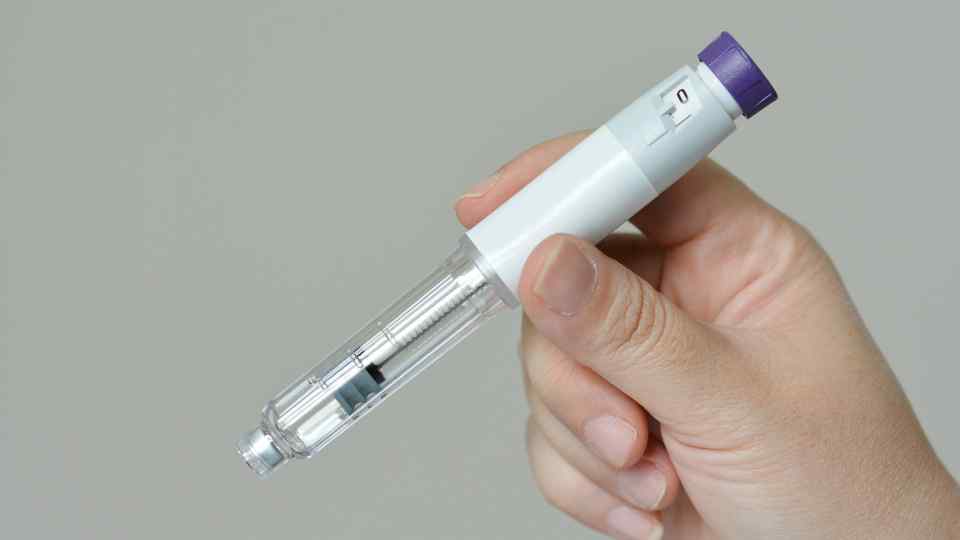
Mounjaro (tirzepatide) is one of the most effective prescription weight loss treatments currently available in the UK. But getting the dosing right is just as important as starting treatment in the first place. This guide explains how the Mounjaro dose escalation schedule works, the signs that you may be ready to increase, and why this decision should always involve your prescriber.
| Contact Us |

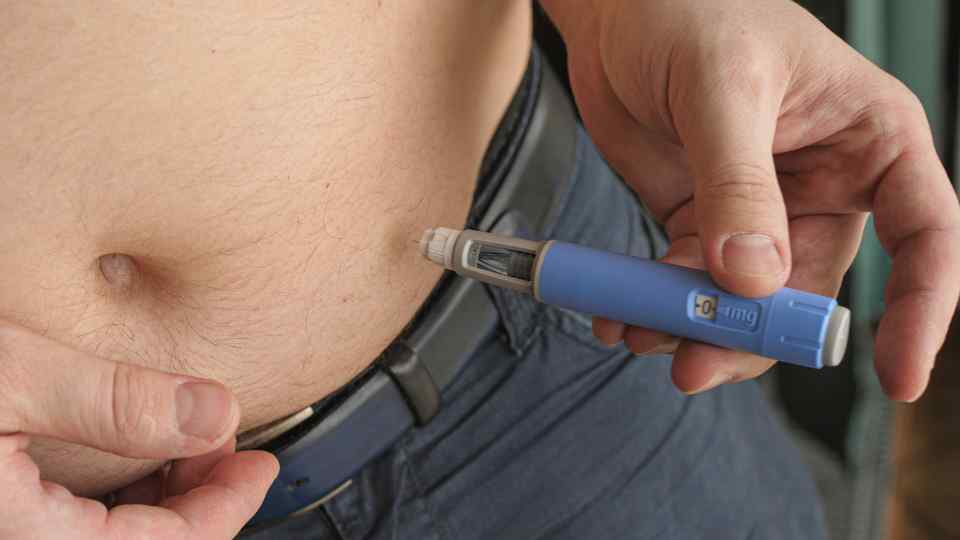
Mounjaro is administered as a once-weekly subcutaneous injection. It is available in six doses: 2.5mg, 5mg, 7.5mg, 10mg, 12.5mg, and 15mg. Treatment always begins at the lowest dose of 2.5mg, regardless of a patient’s weight or previous treatment history. This is a mandatory starting point, not a therapeutic dose. Its sole purpose is to allow the body to adjust to the medication and reduce the likelihood of side effects.
After four weeks at 2.5mg, the standard protocol is to increase to 5mg. From that point, doses are typically increased in 2.5mg increments every four weeks, as tolerated. However, the schedule is not one-size-fits-all. Your prescriber will assess your response, side effect profile, and weight loss progress before advising any increase.
According to the NHS guidance on tirzepatide, doses should only be increased if the current dose is being well tolerated. Never increase your dose without clinical approval.
| Week | Dose | Purpose |
|---|---|---|
| Weeks 1 to 4 | 2.5mg | Initiation and tolerance |
| Weeks 5 to 8 | 5mg | First therapeutic dose |
| Weeks 9 to 12 | 7.5mg | Increasing appetite suppression |
| Weeks 13 to 16 | 10mg | Continued escalation |
| Weeks 17 to 20 | 12.5mg | Near-maximum dose |
| Week 21 onwards | 15mg | Maximum maintenance dose |
| * 2.5mg is an initiation dose only and is not considered therapeutically active for weight loss. All other doses are therapeutic and subject to prescriber assessment before escalation. | ||
Note: Not all patients will reach 15mg. Your prescriber will determine the most appropriate maintenance dose based on your individual response and tolerability.
The decision to increase is not purely based on time. There are several clinical indicators your prescriber will look for before recommending a dose increase.
Side effects have settled. Nausea, vomiting, and gastrointestinal discomfort are common when starting or increasing Mounjaro. If these symptoms have reduced significantly or resolved, your body has likely adjusted, and an increase may be appropriate.
Weight loss has plateaued. If you were losing weight steadily and progress has stalled for several weeks despite no significant changes to your diet or activity, this can indicate that the current dose is no longer producing sufficient appetite suppression.
You have completed at least four weeks at the current dose. Increasing sooner than this does not allow adequate time for the dose to reach its full effect or for your body to adapt properly.
|
Always speak to your prescriber before changing your dose. Self-adjusting Mounjaro outside of clinical guidance can increase side effect risk and is not recommended. |
There are situations where staying at your current dose is the right clinical decision, even if the four-week window has passed.
Ongoing side effects. If nausea, diarrhoea, or vomiting are still significantly affecting your quality of life, increasing the dose is likely to make these worse. Your prescriber may recommend staying at the current dose for a further four weeks.
Recent illness or surgery. If your body has been under additional stress, this is not the right time to increase.
You are achieving good results at the current dose. The goal of Mounjaro is effective, sustainable weight loss, not reaching the maximum dose. If you are losing weight consistently and tolerating the medication well, there may be no clinical reason to increase further.
Knowing when to increase your Mounjaro dose for weight loss is not something you should decide alone. The standard escalation schedule provides a framework, but your prescriber’s clinical assessment is what determines whether an increase is safe and appropriate for you at any given point.
If you are currently taking Mounjaro through Trimvia and have questions about your dose, contact our clinical team. We are here to support you at every stage of your treatment, not just at the point of prescribing.

|
Please note: This blog is intended as a general guide only. It does not replace professional medical advice. For guidance tailored to your individual health needs and circumstances, please reach out to our team directly. |
|
✅ Clinically Reviewed by Pharmacy Mentor A pharmacist reviews the content to help ensure medicines are presented responsibly and that patient-facing health information is accurate, appropriate, and aligned with current clinical guidance. Last reviewed: 26 May 2026 Written on behalf of Trimvia by Pharmacy Mentor. |
Mounjaro Weight Loss Price in the UK: A Complete Breakdown Mounjaro has quickly become one of the most discussed weight loss treatments in the...

Weight Loss Pills: What Actually Works, What Is Regulated, and What To Avoid The weight loss industry is saturated with pills, supplements, and quick-fix...

With more people looking for medical support to help manage their weight, treatments like Mounjaro are gaining attention. Originally developed to treat type 2...